
Roof Coating & Restoration in Sunnyvale, TX
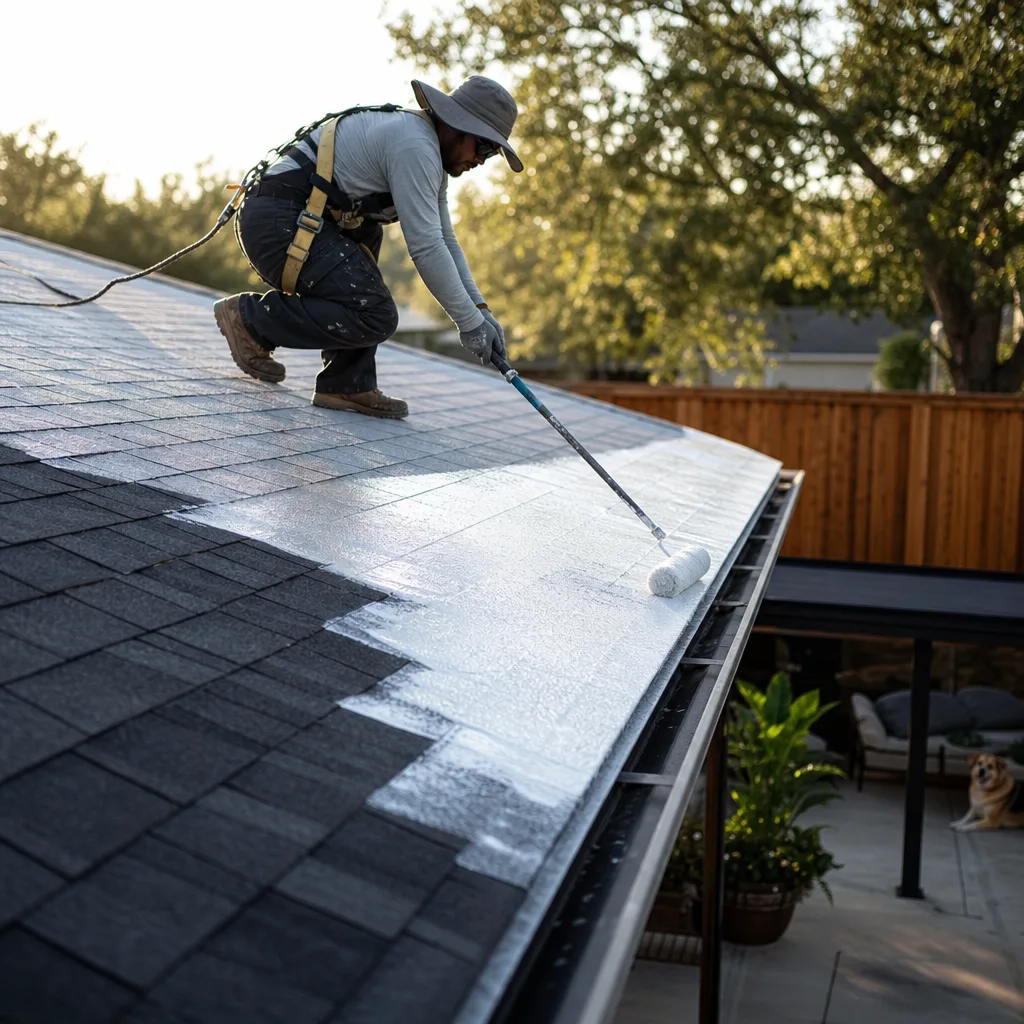
Coating and restoration for roofs still worth saving – with a free inspection that tells you honestly when coating is not the right fix.
What’s Covered on This Page
- Which Roofs Qualify for Coating Instead of Replacement
- Why North Texas Weather Makes Surface Condition a Judgment Call
- What Happens During a Roof Coating and Restoration Inspection
- When Roof Coating Is Not the Right Fix
- How Roof Coating and Restoration Pricing Works
- How long does a roof coating job take once the crew starts?
- Can a roof coating stop a leak I already have?
- What should I do with my roof right after a hailstorm, before calling anyone?
Which Roofs Qualify for Coating Instead of Replacement
Think of a roof coating like a new coat of paint on a sound fence. It protects what’s there and buys you years. But paint won’t fix a rotted post, and a coating won’t fix a roof that’s falling apart underneath. The real question isn’t “Can this roof be coated?” It’s “Is this roof still healthy enough to be worth protecting?”
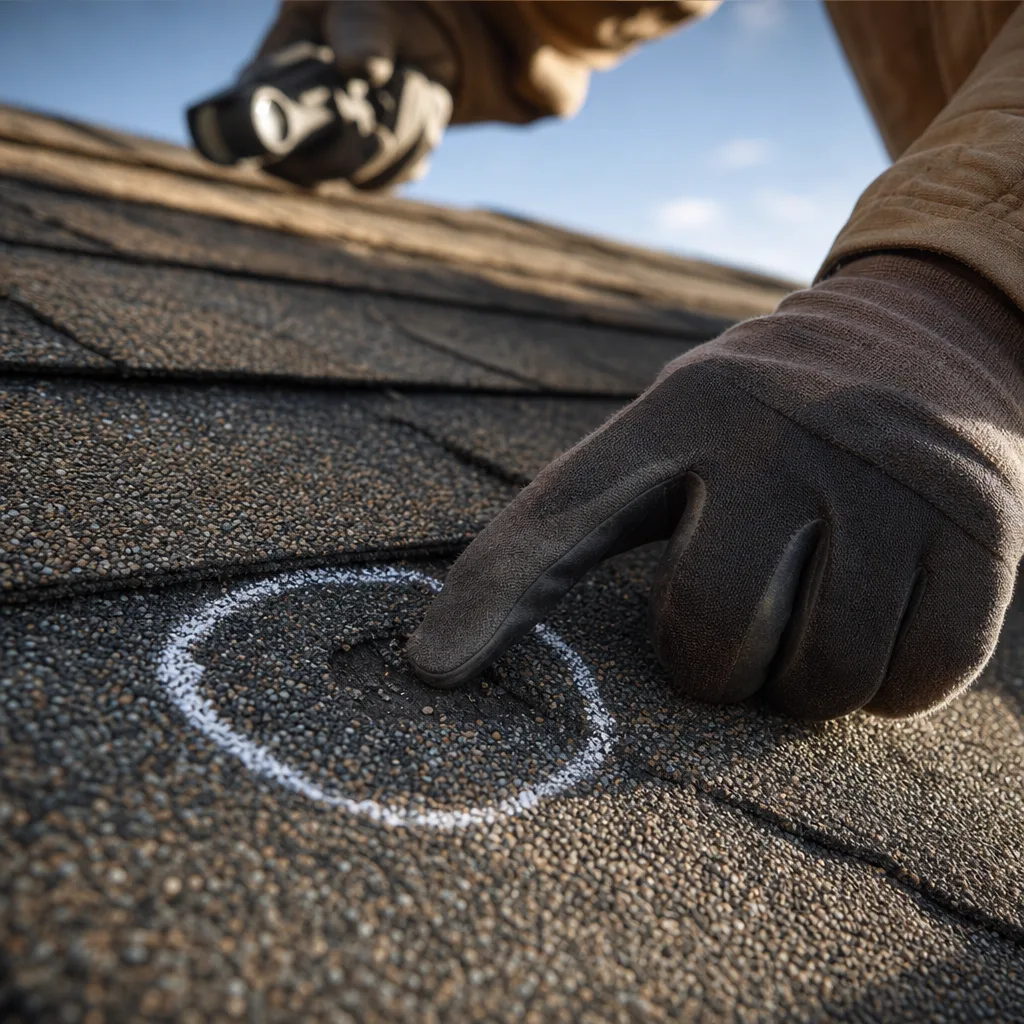
Here’s what a good candidate usually looks like:
- It’s flat or low-slope. Think of the roofs you see on shops, offices, warehouses, and some home additions and patio rooms. Coatings are made for these surfaces.
- It’s made of a material coatings bond to, such as metal panels, single-ply membranes, modified bitumen (rolled roofing), or built-up tar and gravel systems.
- The deck and insulation underneath are dry. The deck is the wood or metal base the roof sits on. If water has already soaked in, a coating just traps it there.
- Leaks are few and easy to find, not spread across the whole roof.
- Water drains off within a day or two of a storm instead of sitting in big standing puddles for days.
- The roof still has life left. Coating an aging but sound roof can push off a tear-off. Coating one at the very end of its life usually just delays a bill you’ll still have to pay.
And here’s when we’d tell you coating isn’t the right call:
- Your home has an asphalt shingle roof. Coatings aren’t designed for most shingle roofs, and they can trap moisture between the shingles. A worn shingle roof needs repair or replacement.
- The insulation is wet across large areas. Soft, spongy spots when you walk the roof are a warning sign.
- The roof has bad hail damage. After a North Texas hail season, roughly March through June, cracked membranes, punctures, or split seams over much of the roof usually point to a repair or a claim, not a coating.
- The deck is sagging or rotted.
- Ponding comes from a slope or drainage problem that needs to be rebuilt first.
Why does this matter so much here in Sunnyvale? Our hundred-degree summers and strong UV are exactly what break down a flat roof’s surface over time. A reflective coating can help by bouncing sunlight away, which helps the roof and can help with cooling. But that benefit only pays off when the roof underneath is sound. Put a coating over a wet, worn-out roof and you’ve spent money hiding a problem that keeps growing.
You can’t always tell which group you’re in from the ground. A ceiling stain might come from one bad seam or from water spread across half the deck. That’s why the decision should start with someone getting on the roof and checking the surface, the seams, and what’s underneath. If the honest answer is that your roof needs repair or replacement instead, you should hear that before you spend a dollar on coating.
Why North Texas Weather Makes Surface Condition a Judgment Call
A flat roof that looks fine in March can be cracked at the seams by August. North Texas weather works on a roof from several directions at once. What the surface looks like on the day someone checks it matters more than how old the roof is.
Here’s what’s going on up there that you may not see from the parking lot or the backyard:
- Daily heat swings. A flat roof gets much hotter than the air on a summer afternoon, then cools off at night. That stretch and shrink, day after day, slowly works seams apart. It also loosens the screws on metal panels and the flashing, which is the metal trim that seals the roof’s edges and the spots where it meets a wall.
- Hail that doesn’t leave holes. Smaller hail may not punch through, but it can bruise a membrane, crack the top layer, or dent metal panels. Those marks are hard to spot from a ladder, let alone from the ground.
- Straight-line wind. Strong gusts can lift roof edges and peel back flashing. That opens a path for the next rain to slip under the surface.
- The occasional ice storm. Water that gets into tiny cracks freezes, swells, and makes those cracks bigger.
That’s why two roofs of the same age in Sunnyvale can be in very different shape. One might sit in the shade of a taller building. The one next door might bake in full sun all afternoon. One took a direct hit in last spring’s storm, and the other got lucky. The calendar can’t tell you which roof is which.
If a storm came through recently, the order of steps matters. Have the roof checked for storm damage before anyone coats it. A fresh coating can cover up hail bruises and split seams, which makes it harder to see later what the storm did. If there’s real storm damage, you may want to look at a claim first. We’ll walk you through the claim if one makes sense, and we’ll tell you plainly if it doesn’t. We can’t promise what your insurer will decide.
A careful check of a flat roof goes past a quick look. It means walking the whole surface. It means pressing on soft or puffy spots and looking closely at every seam. It also means checking the edges, the flashing, and the areas around vents and rooftop units, where water likes to sneak in. Any loose seam or lifted flashing has to be fixed before a coating goes on. A coating laid over a gap that’s already moving will crack right along with it.
None of this means coating is a bad bet here. On a sound roof, it’s one of the smartest ways to stretch your money. It just means the call should be made by someone standing on your roof, looking at what this past year’s weather did to it. ERO DFW is headquartered right here in Sunnyvale, and we respond to every inspection request within 24 hours. That helps when you want an honest look soon after a storm, before you decide anything.
What Happens During a Roof Coating and Restoration Inspection
It starts with a phone call, and it doesn’t cost you anything. We respond to every inspection request within 24 hours. One of our sales managers comes out, looks at your roof, explains your options in plain English, and gives you a written estimate before you sign anything. You’ll leave with an honest answer about whether coating makes sense for your roof, or whether it doesn’t.
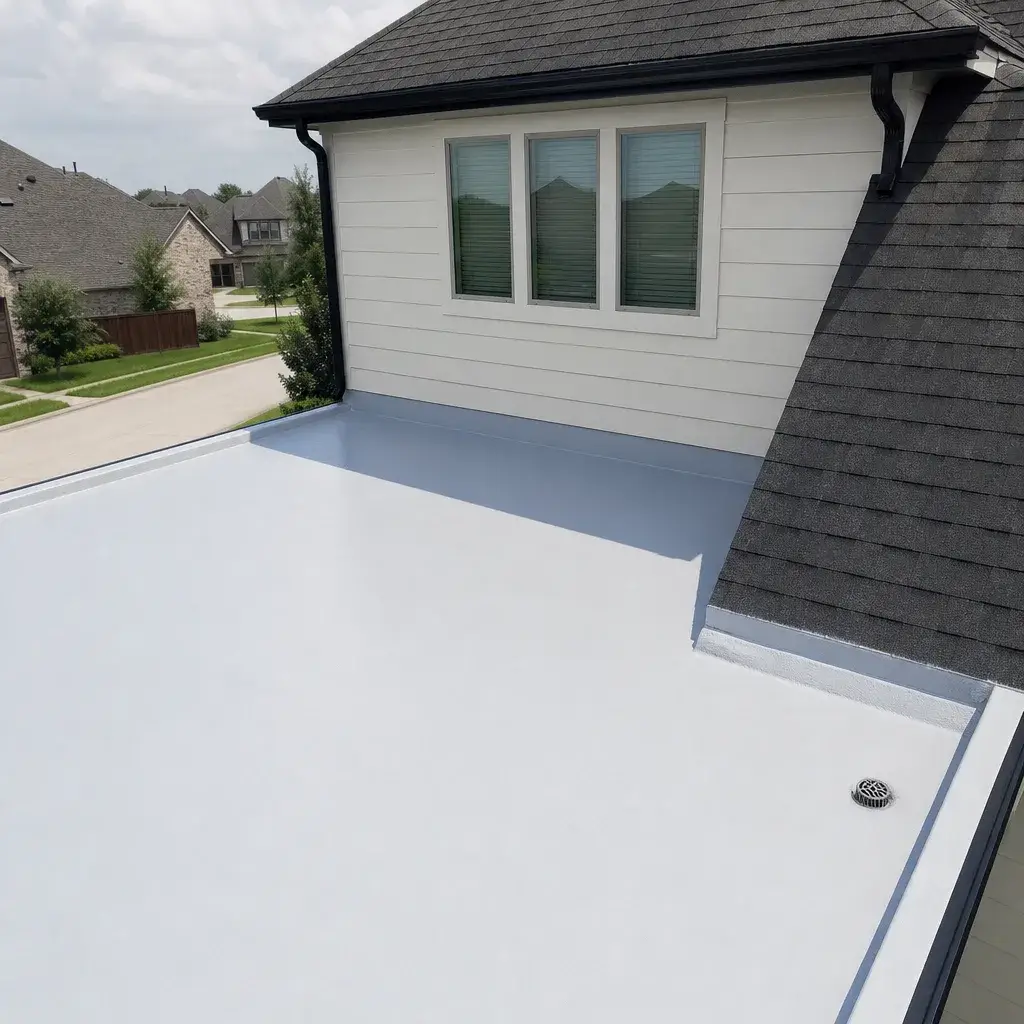
A good coating inspection should answer a short list of questions. By the end, you should know:
- Is this roof a good candidate for coating? You should get a clear yes or no, not a maybe that turns into a sales pitch.
- What has to be fixed first? This means any seams, flashing, or wet spots that need repair before a coating can go on.
- Which kind of coating fits your roof material? A metal roof and a single-ply membrane don’t always take the same product.
- How thick does it need to be? On a roof that takes full Texas sun all summer, a thin coat wears out faster.
It’s also fair to ask any contractor how they’ll confirm the roof is dry underneath and that the coating will stick. Some roofers use moisture scans, a small core sample, or a test patch for this. A roofer who can’t tell you how they’ll know is guessing.
Your written estimate should show what’s driving the cost. With coatings, the price usually comes down to a few things:
- The size of the roof
- How much repair work the roof needs before coating
- The type of coating and how many coats it takes
- How much cleaning and prep the surface needs
- How easy the roof is to reach, and how many vents, curbs, or rooftop units the crew has to work around
If two bids are far apart, these lines are usually where you’ll find the reason. Maybe one bid skips the repairs, or uses a thinner coat. Financing is available if you’d like to spread out the cost.
If you decide to go ahead, a project manager takes it from there. They coordinate materials, scheduling, any permits or HOA approvals, and updates along the way. If a storm claim is part of the picture, they also handle adjuster meetings. Coatings need dry weather to cure, so the schedule follows the forecast, not a sales quota. Our crews protect your property while they work and keep the site clean. When the job is done, you’ll walk the finished roof with us at the final walkthrough.
And if the inspection shows your roof is past saving, you’ll hear that too. In that case, we’ll talk through roof repair or roof replacement instead, so you don’t pay to coat a problem.
Have questions? We’re happy to help.
Schedule Your Free Inspection. Exteriors, Roofing & Outdoor Living is ready to help.
When Roof Coating Is Not the Right Fix
Some roofs are simply worn out or wet, and coating won’t help them. That’s covered above. But plenty of healthy roofs don’t need a coating either. Here are the times we’d tell you to save your money, or spend it on something smaller.
- You have one leak, not a worn-out roof. If the rest of the surface is in good shape, the fix is to find that leak and repair it. Coating the whole roof to stop one drip costs far more than you need to spend. It also may not stop the drip, if the water is getting in somewhere the coating doesn’t seal.
- The water is coming in around the roof, not through it. A lot of flat-roof leaks start at the flashing where the roof meets a wall, at the curb around a rooftop unit, at a skylight, or at a gutter that overflows and backs up under the edge. These spots need flashing repair, skylight repair, or gutter work. A coating over the main field of the roof won’t touch the real problem.
- Your roof is young and still doing its job. A newer flat roof with tight seams and good drainage doesn’t need a coating yet. Coating it early mostly moves money from your pocket to a contractor’s. Have it checked after a big storm, and plan to look at coating later as the surface starts to wear.
- You don’t plan to keep the roof long. Maybe you’re adding a second story, building an addition over that space, or planning a full replacement in a year or two. In that case, a coating meant to last many years won’t pay you back. Keep the roof dry with repairs until the bigger project.
- It’s a tile roof. Clay and concrete tile aren’t made to be coated. Cracked or slipped tiles, and the underlayment beneath them, need tile roof repair instead.
- Old coatings are peeling off in sheets. If an earlier coating has lost its grip, a new coat on top will peel with it. Those failing layers may have to come off first. Sometimes that work costs enough that repair or replacement makes more sense.
Sometimes the best plan is to wait. If your roof drains well, your ceilings are dry, and the surface looks sound, there’s nothing to rush. Keep the drains, scuppers, and gutters clear of leaves and debris so water can get off the roof. Clogged drains cause a lot of the standing water that wears out flat roofs early. After a storm, take a look at your ceilings from inside, and snap a photo of anything new. That record helps whoever looks at the roof later.
Coating is a good tool for the right roof at the right time. If yours is too young, too close to replacement, or leaking from one spot that a simple repair can fix, a coating is just extra cost. You should hear that plainly from whoever you call.
Watch Our Video
See How We Handle Roof Coating & Restoration in Sunnyvale, TX
Exteriors, Roofing & Outdoor Living — Serving Sunnyvale, TX and surrounding areas
How Roof Coating and Restoration Pricing Works
Most coating jobs are priced by the size of the roof, either per square foot or per “square,” which is roofers’ shorthand for 100 square feet. That base price covers cleaning, priming where needed, and putting the coating on. Repairs are usually a separate line, since every roof needs a different amount of work. The cost drivers we covered above decide where your number lands. What matters here is reading the bid so you know what you’re really paying for.
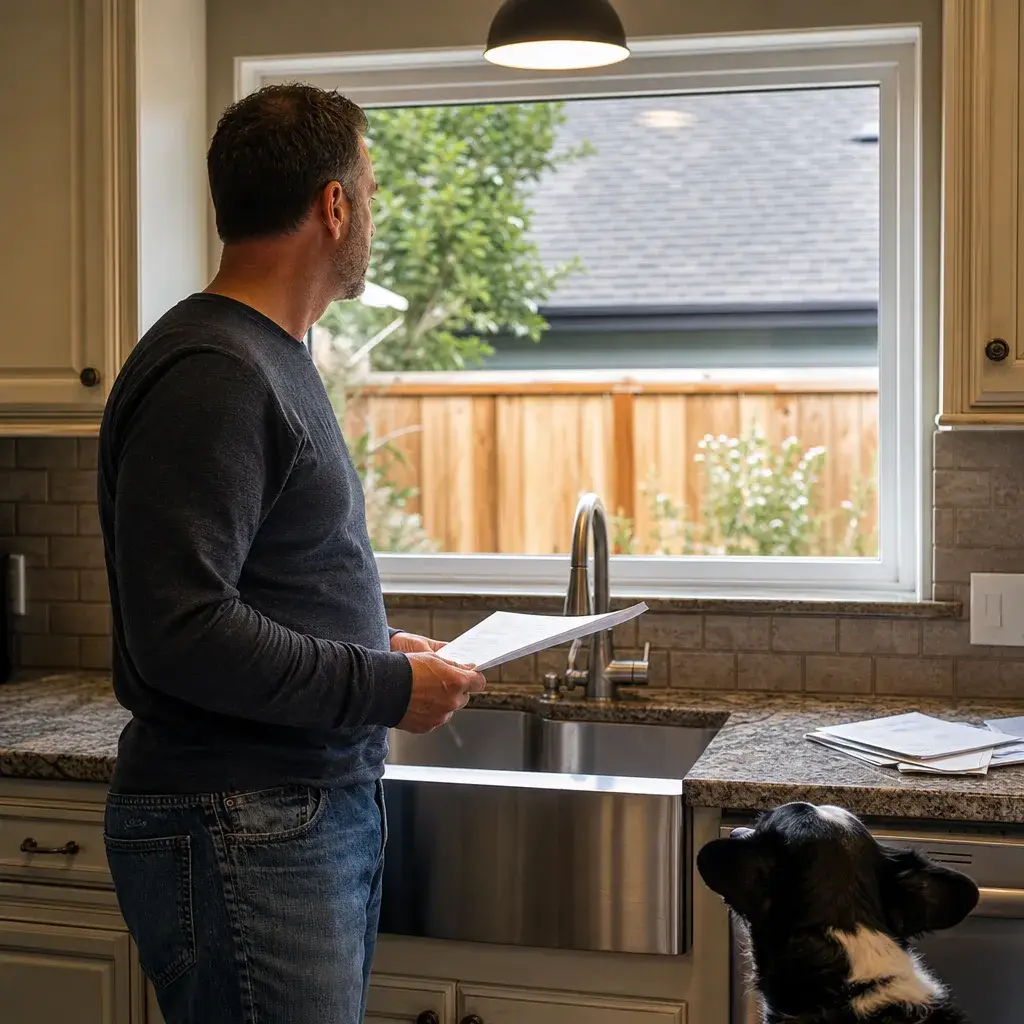
Coating usually costs less up front than a new roof because there’s no tear-off. Nobody hauls your old roof to a dumpster, and nobody replaces the deck or insulation that’s still good. The crew is on your roof for less time, too. On a shop or office, that often means fewer days of noise and less trouble for the people working below.
But a lower price today isn’t the whole story. A coating adds years to a roof, while a replacement starts the clock over. The fair way to compare them is cost per year of life. Divide each price by the number of years the work should add. Sometimes coating wins easily. On an older roof that needs a lot of repair first, the numbers can get closer than you’d expect.
When you line up two coating bids, look at thickness, not just price. Coating thickness is measured in mils, which are thousandths of an inch. The number that counts is the dry thickness, meaning how thick the coating is after it cures. A bid that’s much lower may simply put less product on your roof. Under a Sunnyvale summer sun, a thin coat wears through sooner, and you end up paying for the job again.
Before you sign with anyone, ask these questions:
- What dry thickness, in mils, will the finished coating be, and how many coats will it take to get there?
- Which repairs are included, and which ones are priced separately?
- What happens to the price if the crew finds wet insulation once work starts? Will I get that change in writing before you do it?
- Does the price include cleaning, primer, and sealing the seams and flashing, or only the top coat?
- Who carries the cost if rain stops the job partway through?
That third question matters more than people think. A roof can look dry on top and still hide a wet patch underneath. Ask how surprises get handled before the job starts, not after. You’ll get a written estimate before you sign anything, and any change to the scope should be written down the same way.
Most of the time, insurance won’t pay for a coating. Policies are generally written to cover sudden damage, like a hailstorm, and not normal wear and age. Coating a roof to make it last longer is usually your own planned cost. If a storm did real damage, a claim would be about repairing that damage. We’ll walk you through the claim if one fits, and you pay your deductible, nobody else. We can’t promise what your insurer will decide.
Financing is available if you’d like to spread the cost out over time. This can help when coating now saves you from a much bigger replacement bill later.
Frequently Asked Questions
Common questions about roof coating and restoration in Sunnyvale, TX
How long does a roof coating job take once the crew starts?
Most coating jobs move fast since there’s no tear-off involved, but the real schedule depends on weather. Coatings need dry conditions to cure properly, so if rain is in the forecast, we work around it rather than rush the job. On a typical shop or office roof, that usually means less noise and disruption for the people working below than a full replacement would cause.
Can a roof coating stop a leak I already have?
Sometimes, but not always, and that depends on where the leak is coming from. If water is getting in through the flashing, around a rooftop unit, or at a skylight, a coating over the main roof field won’t fix it. Those spots need direct repair. A coating only helps when the leak is coming through the roof surface itself, not around it.
What should I do with my roof right after a hailstorm, before calling anyone?
Check your ceilings from inside and take a photo of any new stains or spots you find. Spring hail season in North Texas, roughly March through June, can leave cracks or bruises on a flat roof that are hard to spot from the ground. Those photos give whoever inspects your roof a useful record of when the damage likely started.
Ready to Get Started?
Schedule Your Free Inspection. Call (972) 288-9587 today.