
Roof Ventilation in Sunnyvale, TX: Is Your Attic the Real Problem?
Attic ventilation checked and corrected so trapped heat and moisture stop wearing out your roof – starting with a free inspection.
What’s Covered on This Page
- Signs Your Attic Ventilation Isn’t Working
- What a Ventilation Inspection Checks
- When Ventilation Is Not the Real Issue
- Standalone Repair or Part of a Roof Replacement
- What Drives the Cost of Roof Ventilation Work
- How long does a roof ventilation repair take?
- Can I add roof vents myself?
- Does better attic ventilation lower my power bill?
Signs Your Attic Ventilation Isn’t Working
Your attic is supposed to breathe. Cooler air comes in low at the soffits, the vented panels under the edge of your roof. Hot, wet air leaves up high at the ridge or roof vents. When that flow gets blocked, heat and moisture stay trapped under your shingles. Here’s what that looks like in a real house.
Inside your home, watch for these:
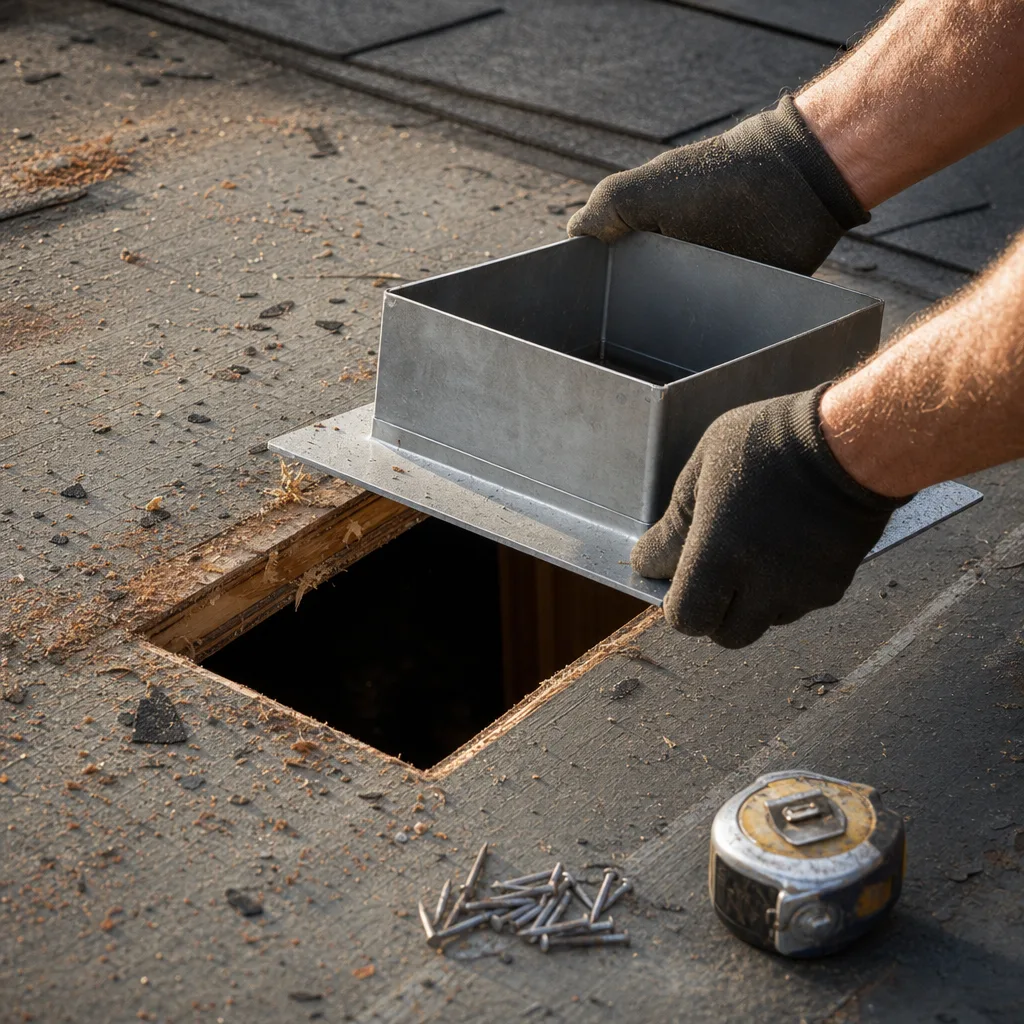
- Upstairs rooms that stay hot long after sunset in July and August, even when the rest of the house cools down.
- Ceilings on the top floor that feel warm to the touch on a summer afternoon.
- A musty smell when you open the attic hatch, or insulation that looks matted, damp, or stained.
- Dark spots or a dull, stained look on the underside of the roof deck, the wood boards your shingles are nailed to.
- Frost, water drops, or rusty nail tips poking through the deck after a winter cold snap or ice storm.
Outside, step back into the yard and look up:
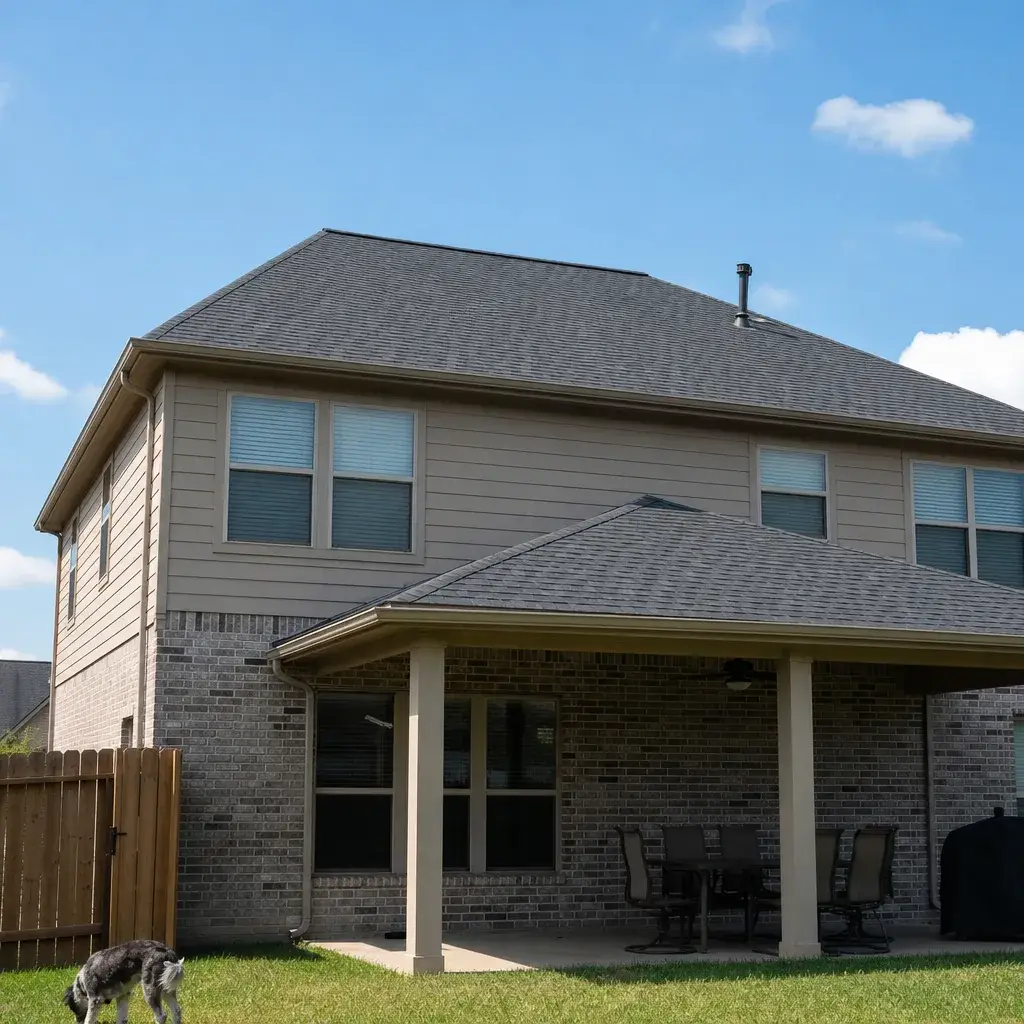
- Shingles curling, blistering, or shedding granules on the sunny slopes while the shaded side still looks fine.
- Soffit vents that have been painted over, packed with dust, or covered from the attic side by blown-in insulation.
- Peeling paint or soft, rotting wood along the fascia and soffit, the trim boards at the roof edge.
- A roof that looks older than it is. If your neighbor’s roof went on the same year and yours looks worn out first, heat may be cooking it from below.
North Texas makes these signs easier to miss. A Sunnyvale summer already makes every upstairs feel warm, so many people blame the weather instead of the attic. In winter, it’s the opposite. Warm, damp air from the house drifts up into a cold attic and turns to water on the underside of the deck. You won’t see it from the street. You’ll see it as stains, rust, or a smell months later.
Your house style matters too. Older brick ranch homes from the 1960s through the 1980s often have small or few soffit vents to begin with, and decades of added insulation can cover the ones they have. Larger two-story homes built from the 1990s on tend to have complex rooflines with lots of hips and valleys. That can leave some attic pockets with no clear path for air to flow.
Be honest with yourself about what these signs can’t prove. A water stain on your ceiling is more often a leak than a ventilation issue. A hot upstairs can also come from thin insulation or old windows. Shingle wear can be hail damage, especially after a spring storm. That’s why one sign alone isn’t enough. When you see two or three signs together, especially attic moisture plus early shingle wear, ventilation moves to the top of the suspect list.
What a Ventilation Inspection Checks
A good ventilation inspection checks three things: how air gets in, how air gets out, and whether those two are in balance. Counting the vents on your roof from the driveway isn’t an inspection. The real answers are in the attic and at the roof edge, and they decide whether you need new vents or just need the ones you have to work.
Here’s what should get a close look on your home.
- Intake at the soffits. Are there enough soffit vents, and are they open? From inside the attic, the question is whether insulation is piled against them. Baffles, the small chutes that hold insulation back and keep an air lane open along the roof edge, should be in place and clear.
- Exhaust up high. What’s letting hot air out? It might be a ridge vent along the peak, box vents on the slope, wind turbines, or a powered attic fan. Each one should be open, sealed at its edges, and not cracked or dented by hail.
- Balance between the two. Intake and exhaust should be roughly matched. Plenty of exhaust with little intake means the attic pulls air from wherever it can, often from your living space below. Building codes set a minimum vent area based on attic size, and a careful inspector will compare your attic to that standard.
- Mixed exhaust types. A ridge vent and a powered fan on the same roof can fight each other. The fan may pull air in through the ridge instead of through the soffits, which leaves the lower attic hot and stuffy.
- Dead zones. On two-story homes with lots of hips and valleys, some sections of attic may have no path for air at all. Each pocket needs its own way in and out.
- Moisture sources. Bathroom or kitchen fan ducts that dump into the attic instead of outside add a lot of damp air. That’s worth noting even when the vents look fine.
- The damage it’s already done. The underside of the roof deck, the nail tips, the insulation, and the shingles on the sunny slopes show how long the problem has been going on.
That last point matters for your decision. If the deck is solid and the shingles are in decent shape, fixing airflow may be all you need. If the deck is soft or the shingles are worn out, it often makes more sense to correct the ventilation when the roof is replaced, so you aren’t paying to open the roof twice.
Keep in mind that the fix isn’t always more vents. Sometimes it’s clearing blocked soffits, adding baffles, or removing a vent that’s working against the rest of the system. Adding vents to a roof that’s out of balance can make things worse. If someone tells you to cut in more vents without looking in your attic, that’s a reason to get a second opinion.
With ERO DFW, the inspection is free, and you’ll get a written estimate before you sign anything. You should finish the visit knowing what’s blocked, what’s missing, and what’s worth fixing on your Sunnyvale home, in plain English and on paper.
When Ventilation Is Not the Real Issue
Sometimes the honest answer is that your vents are fine and the problem is somewhere else. Cutting new vents into a roof that doesn’t need them costs you money. It also adds holes that can leak. Here are the most common cases where ventilation gets blamed for something it didn’t do.
- The stain sits under a chimney, a pipe, or a skylight. A brown ring in a ceiling below one of those spots usually means water is getting past the flashing, the metal that seals the joint around anything poking through your roof. That’s a leak, and it needs roof leak detection and repair or flashing repair, not more airflow.
- Your shingles look bad right after a spring storm. Dark spots, bruises, and a sudden pile of granules in the gutters between March and June point to hail, not heat. That’s storm damage, and it may be an insurance matter.
- The upstairs is hot but the attic is dry. If the soffits are open, the exhaust is working, and there’s no dampness, rust, or musty smell up there, airflow probably isn’t your trouble. Thin insulation or gaps that let house air leak into the attic are more likely, such as an unsealed attic hatch or openings around ceiling lights. More vents won’t fix that.
- The damp air is coming from inside the house. A bathroom fan that dumps into the attic, as we covered above, keeps feeding moisture into the space. Good vents help that air leave, but the real fix is sending that air outside the house.
- You expect the attic to feel cool. It won’t. A well-vented attic in a Sunnyvale July is still very hot. Good ventilation keeps heat and moisture from building up and cooking your shingles. It doesn’t turn the attic into a cool room, and it won’t drop your power bill by itself.
There’s also a case for waiting. If your roof is close to the end of its life and the deck underneath is still solid, you don’t have to rush. It’s often smarter to fix the airflow on the day the old roof comes off, when the ridge and edges are open anyway.
You can rule out a few of these yourself. From the yard, see whether your soffit vents are painted over or caked with dust. Then think about timing. Did the stain show up after a hard rain, or the shingle damage after a hailstorm? Grab a flashlight and look at where your bathroom fan duct ends in the attic. If it stops short of a vent to the outside, you’ve found a moisture source. These checks won’t replace a real inspection, but they’ll help you ask better questions.
If your attic breathes the way it should, the right call is to leave the vents alone. Whoever inspects your roof should be willing to tell you that, plainly and in writing.
Have questions? We’re happy to help.
Schedule Your Free Inspection. Exteriors, Roofing & Outdoor Living is ready to help.
Standalone Repair or Part of a Roof Replacement
Once you know your attic really needs better airflow, the next question is timing. Do you fix it now as its own job, or fold it into a new roof? Most of the time, the answer comes down to how much life your shingles have left.
A standalone fix makes sense when:
- Your roof still has good years left and the deck underneath is solid.
- The problem is mostly at the edges, like painted-over or blocked soffits, missing baffles, or a vent that’s working against the rest of the system.
- You only need to add a few exhaust vents or swap out ones that hail cracked or dented.
Doing it with a roof replacement makes more sense when:
- Your roof is 15 to 20 years old, or a spring storm has already beaten it up.
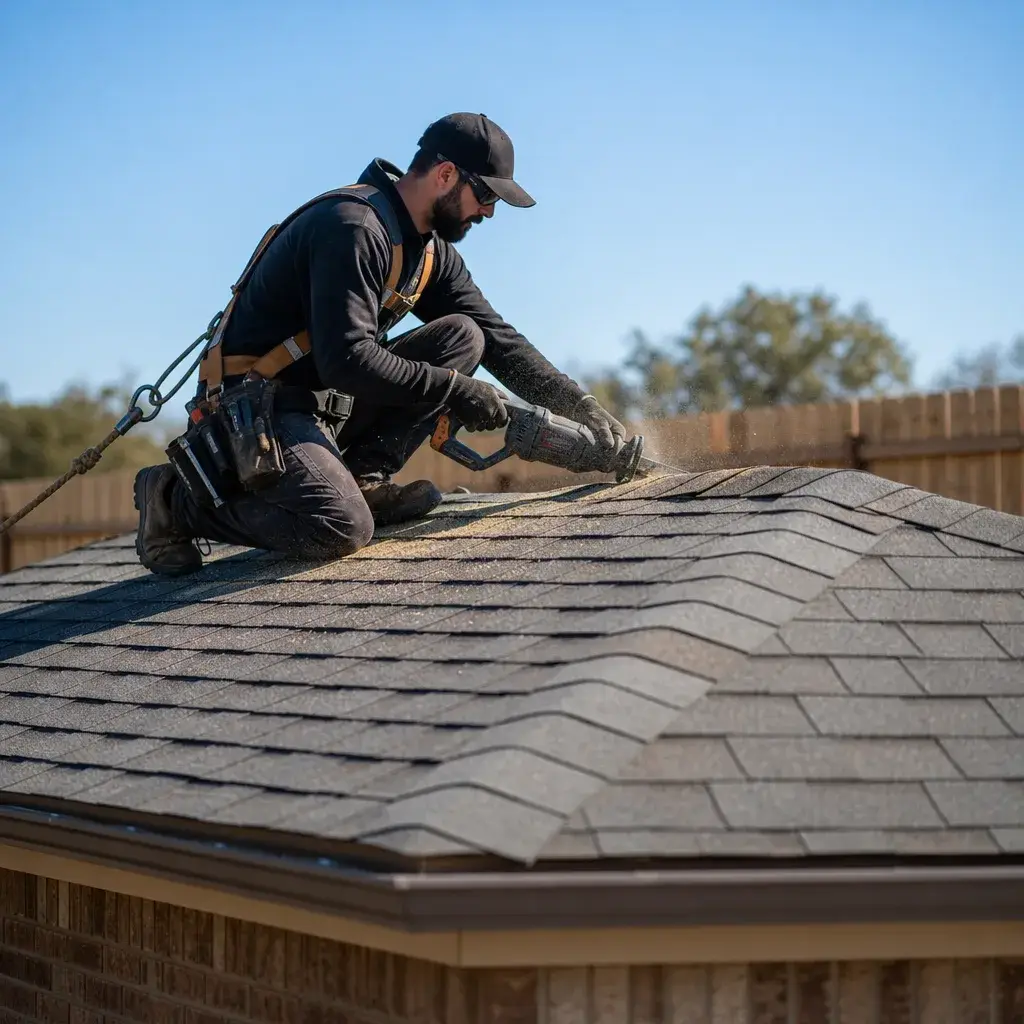
- You want a ridge vent. That’s a long, low vent along the peak of the roof. Putting one in means taking off the top row of shingles and cutting a slot in the deck, which is simple when the old roof is already coming off.
- Some deck boards have gone soft from years of trapped moisture and need to be replaced anyway.
- New vents would leave fresh shingle patches that won’t match your faded roof.
Cost works the same way either path. No two homes price out the same. These things move the number up or down: how many vents get added, moved, or removed; how tall and steep your roof is, since a steep two-story roof takes more time and safety gear; how hard it is to reach the low edges of the attic; whether any decking needs to be replaced; and your roof type, since tile and metal roofs use different vent parts than shingles.
Before you hire anyone, ask them a few plain questions. What’s the plan for air coming in, and for air going out? Will any vents be removed? What happens to the price if they find soft decking? And will all of that be written down before you sign?
If your roof is being replaced through an insurance claim, know where the line is. A claim covers damage from the storm. A ventilation problem that was there before the storm may be your cost, unless your policy pays to bring a roof up to current code. Ask your insurer what yours says. We’ll walk you through the claim, but nobody can promise you what the adjuster will approve.
When a permit or HOA approval is needed, our project manager handles it. That way the ventilation work rides along with the rest of the job instead of becoming a second project with its own paperwork.
Watch Our Video
See How We Handle Roof Ventilation in Sunnyvale, TX
Exteriors, Roofing & Outdoor Living — Serving Sunnyvale, TX and surrounding areas
What Drives the Cost of Roof Ventilation Work
What you pay for ventilation work depends less on how many vents end up on your roof and more on what your attic needs. Clearing blocked soffits and adding baffles is a small job. Adding a ridge vent to a roof that isn’t being replaced, or fixing an attic with dead zones, is a bigger one. Here’s how the work itself gets priced and how to read a bid.
Most roofers break ventilation work into a few kinds of charges:
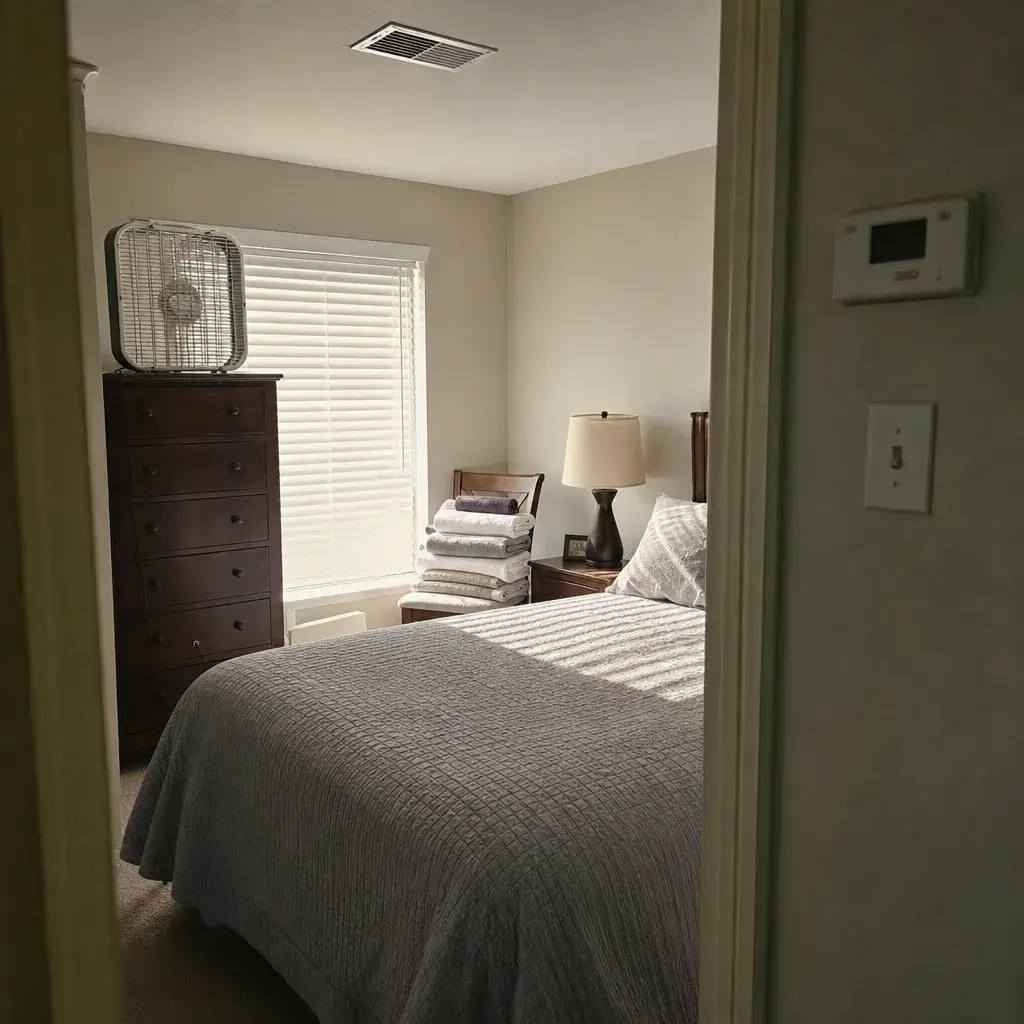
- Per vent. Box vents and turbines are usually priced per unit installed. That price should include cutting the hole, sealing the edges, and blending the shingles back in around it.
- By the foot. A ridge vent is usually priced by the length of the peak, plus the cap shingles that cover it.
- Attic labor. Pulling insulation back from the soffits and putting in baffles is hand work done inside the attic. It may be priced by the hour or by the section.
- Removal and patching. Taking out a vent that’s fighting the rest of the system isn’t free just because something comes off. The hole still needs new decking and shingles.
- A minimum charge. Small standalone jobs often carry one, because the crew still has to set up ladders and safety gear for a short visit. When the vent work is part of a full roof replacement, that setup is shared with the rest of the job.
The intake side is often the cheapest part of the job and the part that matters most. If your soffits are painted shut or buried under insulation, opening them up can do more than any new vent on top. Read a bid closely if it’s long on exhaust and says nothing about intake. It may be selling you parts your attic can’t use.
In Sunnyvale, some roof work needs a permit from the town. If yours does, the permit fee is part of your cost. Ask whether it’s included in the price or billed on top.
Two bids are only comparable when they describe the same plan. Before you put them side by side, check that each one spells out:
- How much vent area the attic has now, and how much it will have after the work.
- Which vents get added and which get removed.
- How each patch will be shingled, and whether the shingles will reasonably match.
- Whether hauling away old parts and cleanup are included.
A lower number that skips any of these isn’t really lower. It just leaves something out. The most expensive choice is adding vents to an attic that’s out of balance. You pay once for the vents and again to undo them.
With ERO DFW, the inspection is free. Your estimate will list the intake work, the exhaust work, and any removals line by line, so you can see exactly what you’re paying for. Financing is available if you’re folding the vent work into a larger roof project.
Frequently Asked Questions
Common questions about roof ventilation in Sunnyvale, TX
How long does a roof ventilation repair take?
Most standalone ventilation fixes take less than a day, since the crew is mainly working at the soffits and a few roof vents. A bigger job, like adding a ridge vent on a roof that isn’t being replaced, takes longer because it means removing shingles, cutting a slot in the deck, and reshingling around it. If dead zones or soft decking turn up during the inspection, the visit may run longer to fix those too.
Can I add roof vents myself?
You can clear a painted-over soffit vent yourself, but cutting new roof vents is not a safe do-it-yourself project. Adding exhaust vents without checking the intake side can throw your attic further out of balance, and a wrong cut into the deck can lead to leaks. It also involves roof work at height, which is risky without the right gear. A free inspection can tell you whether your attic needs more airflow or just needs the vents you already have cleared and working.
Does better attic ventilation lower my power bill?
It can help, but ventilation alone won’t make a big dent in a Sunnyvale summer power bill. Good airflow keeps heat and moisture from building up under your shingles, which protects the roof, but your attic will still feel hot in July. Insulation levels and air leaks from the house into the attic, like gaps around light fixtures or an unsealed attic hatch, usually matter more for comfort and cooling costs.
Ready to Get Started?
Schedule Your Free Inspection. Call (972) 288-9587 today.